United Nations Development Programme (UNDP) is committed to being green, sustainable, and just, leading by example on climate action. In August 2019, UNDP Administrator Achim Steiner launched the ‘Greening Moonshot’ initiative, pledging to reduce its operational carbon footprint by 50% by 2030.
Data collection on sustainability performance is facilitated through the Greening Moonshot tracker, an Environmental Management Tool (EMT) developed for UNDP’s operations. This tool gathers annual data on emissions, electricity and fuel use, air travel, refrigerants, waste, water management and more for over 170 offices. Results are analyzed at all levels of the organization to identify opportunities for reductions, intervention needs, and detect data inaccuracies.
Investing in Green Technologies
UNDP goes beyond just reporting. Results are carefully analyzed to develop targeted reduction measures. For instance, an office depending on generator operations might be a good candidate for solar power, while an office in a location with green grid electricity might pursue e-Mobility. Based on this analysis, the Greening Moonshot Facility –established to support greening UNDP operations– allocates funding to offices for green energy and e-Mobility investments. The Facility prioritizes cost-effective emission reduction, directing scarce resources to where they can make the greatest and quickest impact on UNDP’s carbon footprint.
Taking Local Actions Worldwide
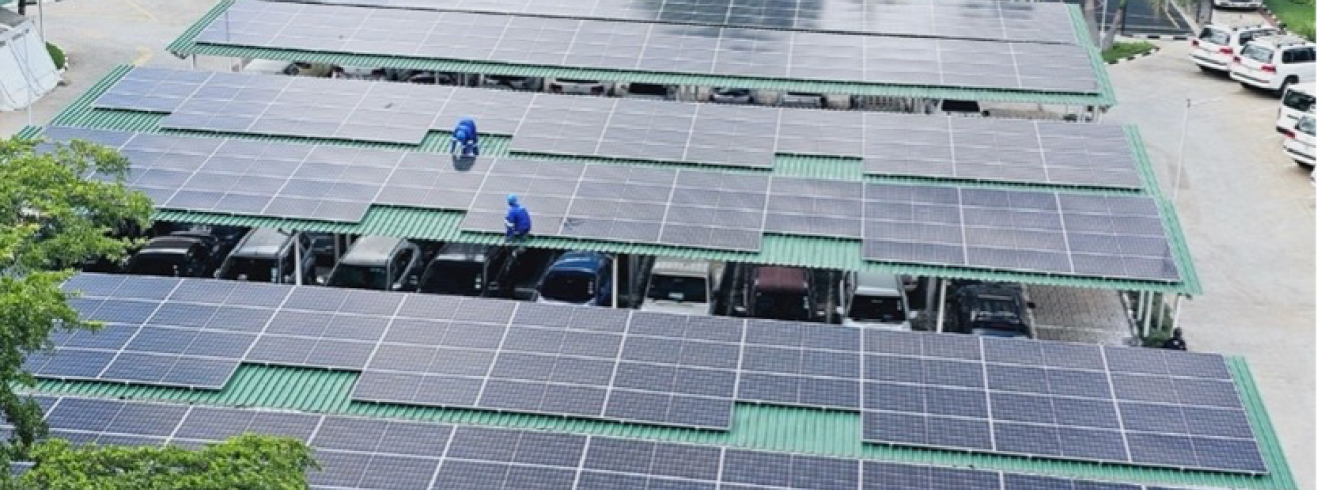
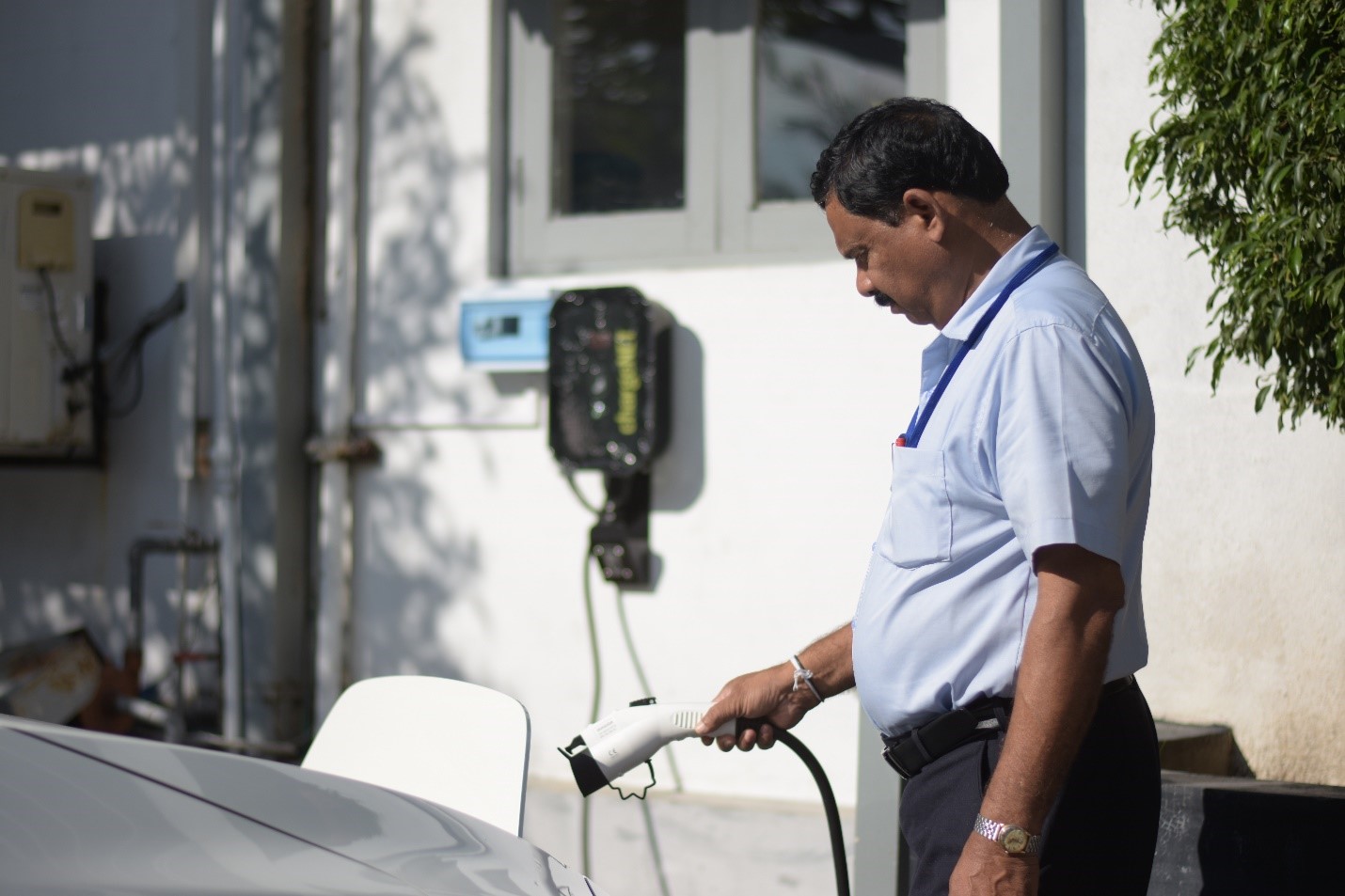
In addition to initiatives led by headquarters, many UNDP regional and country offices have implemented their own greening plans, carried out by dedicated staff across the globe. For example, UNDP Zambia launched a groundbreaking green energy initiative at the UN House in Lusaka, Zambia, successfully installing a grid-tied solar photovoltaic (PV) system. In 2019, UNDP Ecuador introduced the Greening the Office Plan, aiming to reduce the carbon footprint and improve waste management by decreasing the use of disposable plastic items and transitioning to digital formats. Meanwhile, UNDP Sri Lanka powers its office’s electric vehicle with solar panels, effectively addressing fuel crises.

To date, UNDP’s Greening Moonshot has funded over 180 projects globally. These projects collectively avoid 3,473 tCO2e every year and are projected to reduce UNDP's electricity carbon footprint by 17%. Additionally, they save the organization over $19 million in energy and fuel costs over their lifetimes, demonstrating that environmental action and financial benefits go hand in hand.
Beyond energy and cost savings, providing reliable, on-site power also improves productivity and continuity for UNDP operations, particularly in vulnerable situations and locations with unreliable electricity grids. By reducing security risks from fuel storage and handling, as well as noise and pollution from on-site generator operations, these projects also enhance staff well-being. These replicable projects ensure that UNDP's operations are resource-efficient, resilient and future-proof, while putting climate talk into action and supporting local sustainability priorities especially for the communities UNDP serves.
For example, switching from generators to on-site solar energy reduces air pollution, which is a leading health concern for millions of people, and improves electricity reliability in those communities. By partnering with local vendors, UNDP helps build local capacity, encourages replication, and drives innovation beyond its own operations.
“Our Greening Moonshot initiative is being advanced by two key drivers: first, our data-driven, analytical approach that is helping to advance bold emissions reduction measures; and second, the remarkable dedication of colleagues globally who are bringing the plan to fruition on the ground. UNDP is committed to achieving our ambitious Moonshot targets, including a 50% emissions reduction by 2030, grounded in the recognition that organizations like ours must lead by example on climate action.”
Achim Steiner, Administrator, United Nations Development Programme (UNDP)
Banner image © UNDP Zambia
Read more
Quicklinks
Related News

Maintains climate neutrality for 6th consecutive year; advances 14 UN Sustainable Development Goals

During 2020, FAOPK designed creative solutions to the environmental problems they experienced daily, namely the reliance on diesel generators for electricity, and the absence of a local waste management infrastructure, paving the way…

The strategy includes a target of 45% reduction of GHG emissions in the absolute amount by 2030, compared to 2018.